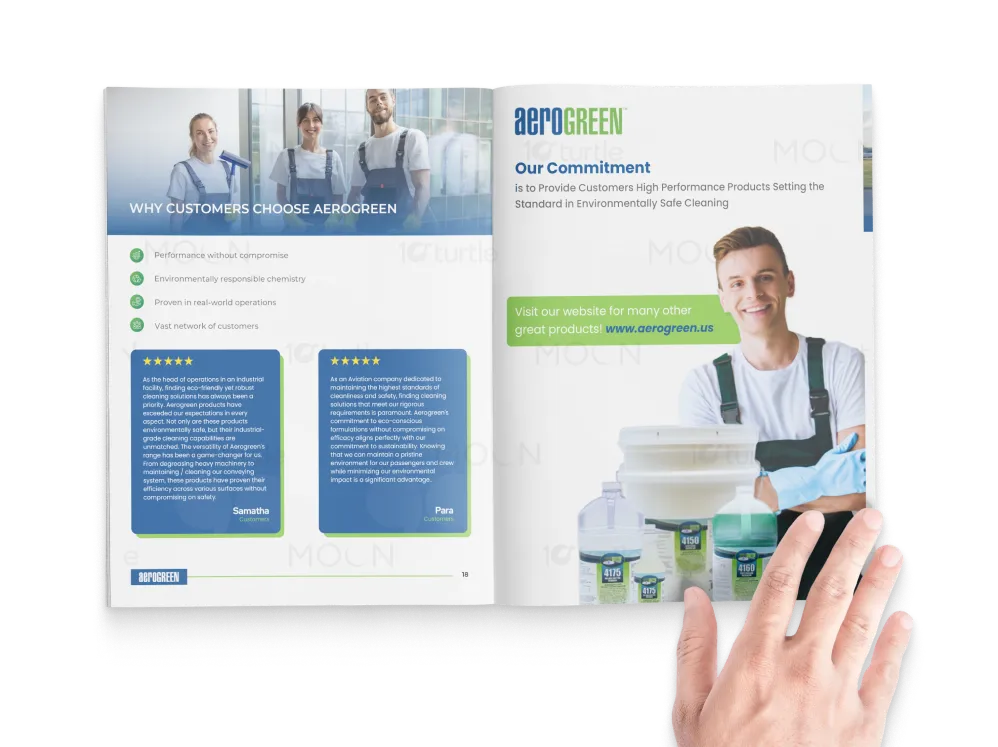
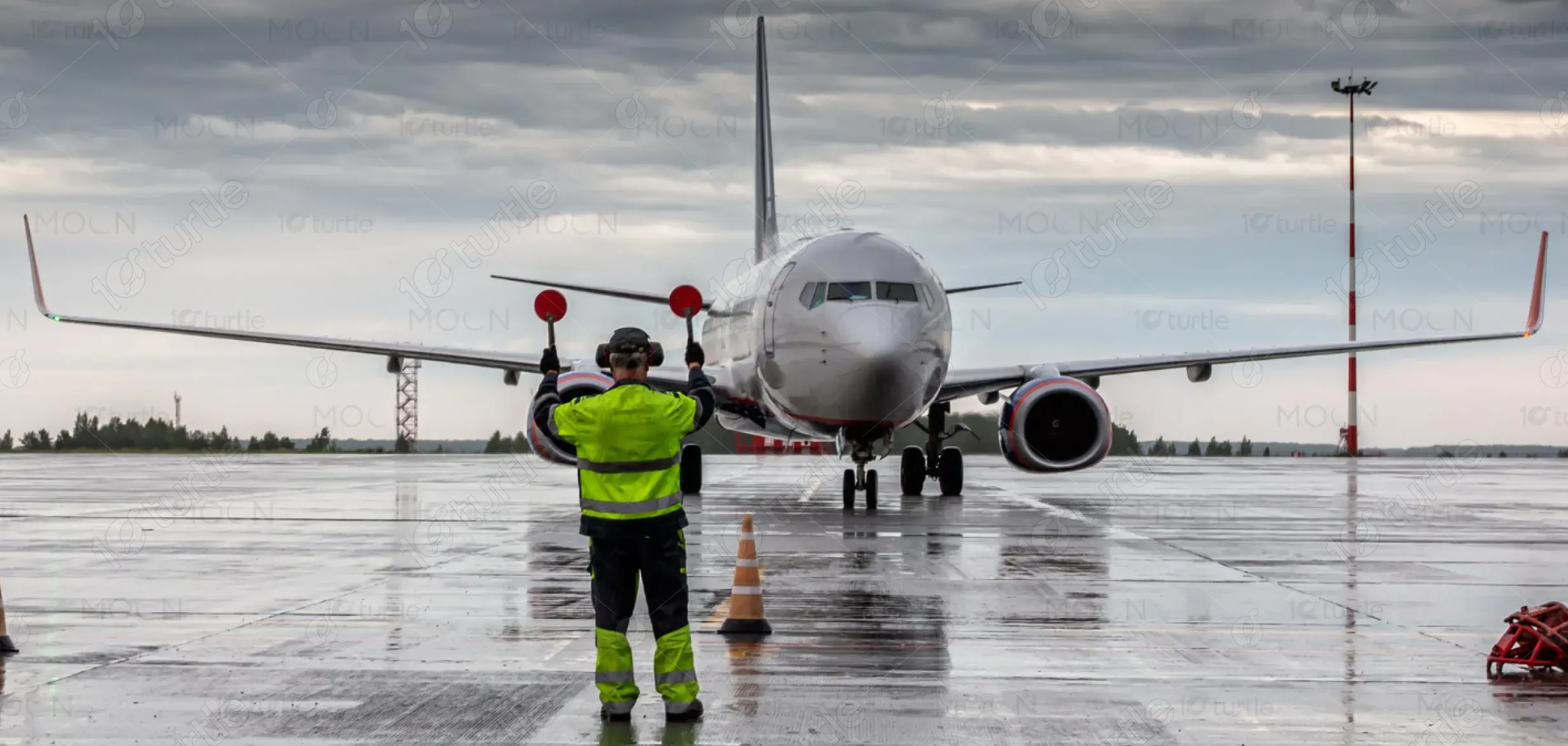
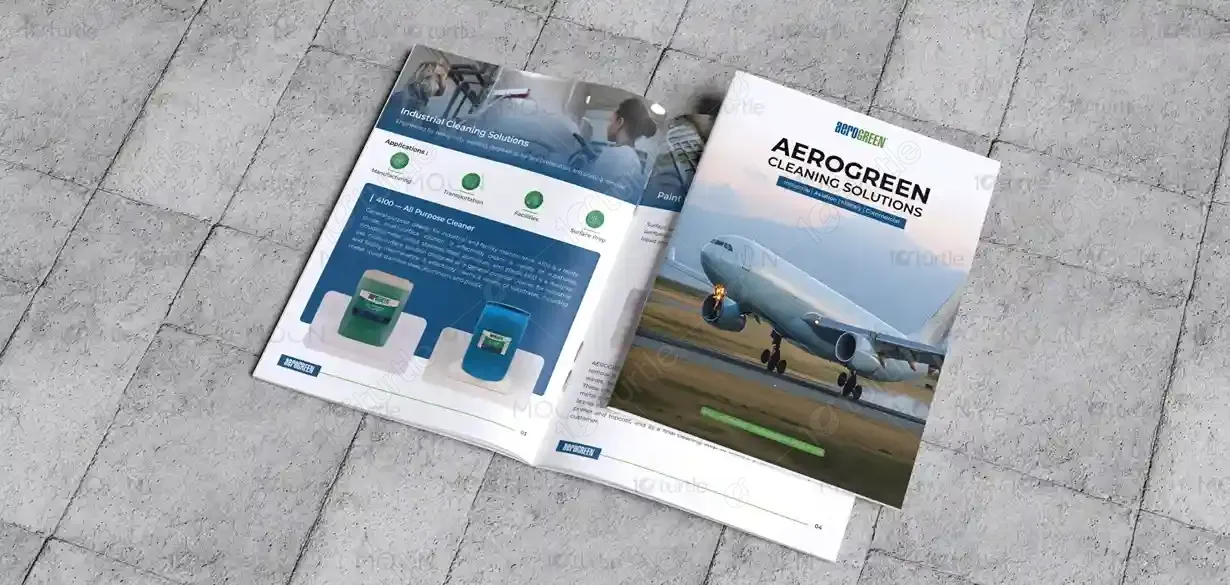
The booklet follows a clean, structured industrial design language that balances performance and environmental responsibility. A strong visual hierarchy is established through bold headings, sectional color blocks, and consistent typography, ensuring easy navigation across product categories. The use of blue and green reinforces trust, technology, and sustainability, while real-world imagery (aircraft, machinery, surface cleaning) grounds the design in practical application. Layouts are modular, allowing product information, benefits, and visuals to coexist without clutter. The overall direction emphasizes clarity, credibility, and functional communication aligned with a technical audience.
Booklet Design
Graphic Design
Industry
Industrial, Manufacturing & Agriculture
Tools we used


Project Completion
2025
Key Market
Global
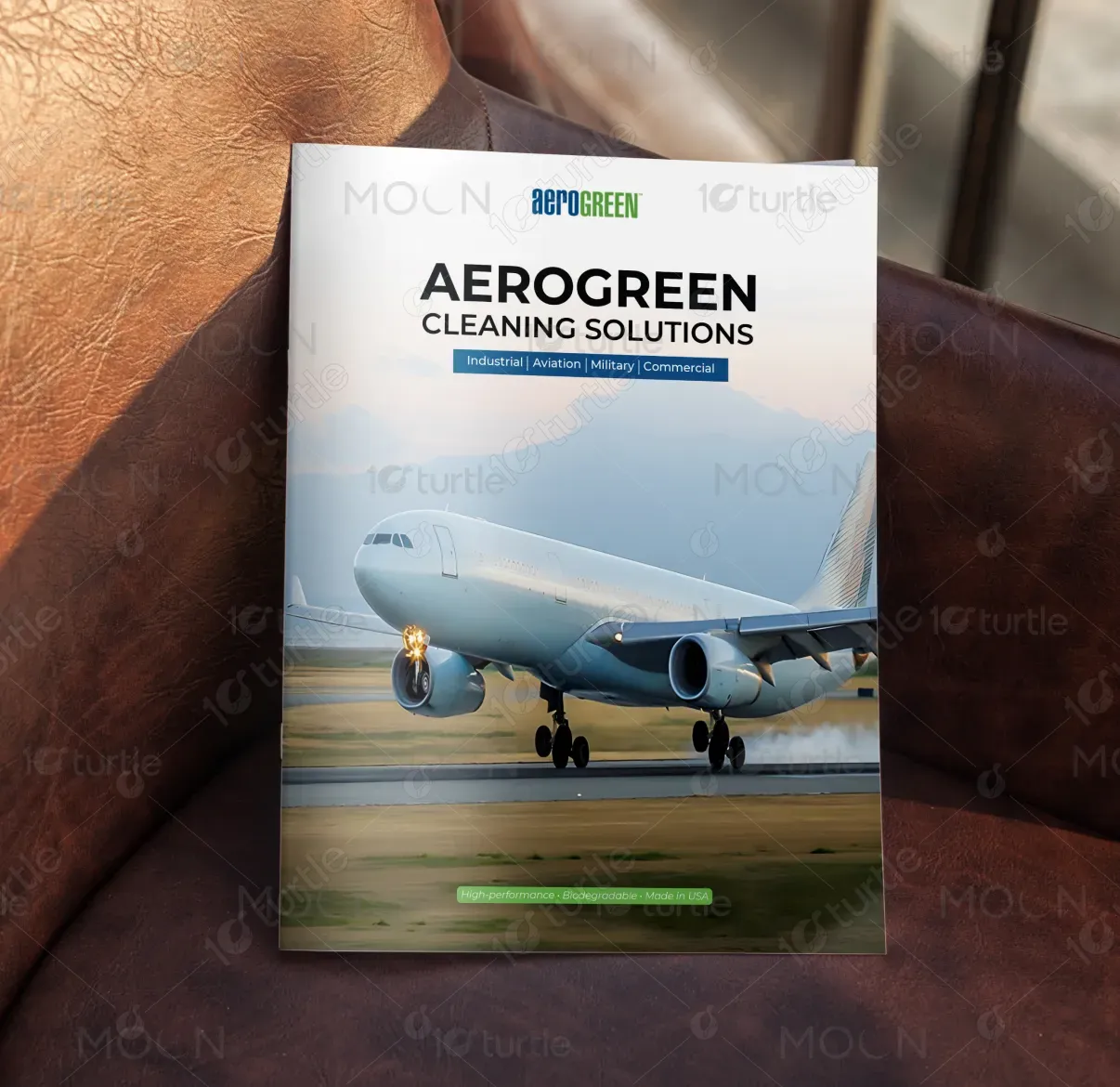
This booklet represents Aerogreen’s range of industrial and aviation-grade cleaning solutions, designed for high-performance applications across multiple sectors including manufacturing, aviation, and facility maintenance. It serves as both a product catalog and a brand communication tool, showcasing eco-friendly formulations that replace hazardous chemicals without compromising efficiency. The design communicates reliability, certification-backed performance, and environmental responsibility, positioning the brand within the industrial cleaning market as a modern, sustainable alternative.

Industry
Industrial, Manufacturing & AgricultureWhat we did
Booklet DesignGraphic DesignPlatform
-Industrial and aviation cleaning solutions often suffer from poor communication of technical benefits, leading to confusion among decision-makers. Many brands rely on cluttered layouts, overly technical jargon, or lack visual clarity, resulting in reduced engagement and trust. Additionally, there is a gap in effectively presenting eco-friendly alternatives without appearing less powerful or effective. This creates hesitation among users who prioritize performance over sustainability, impacting both brand perception and adoption.
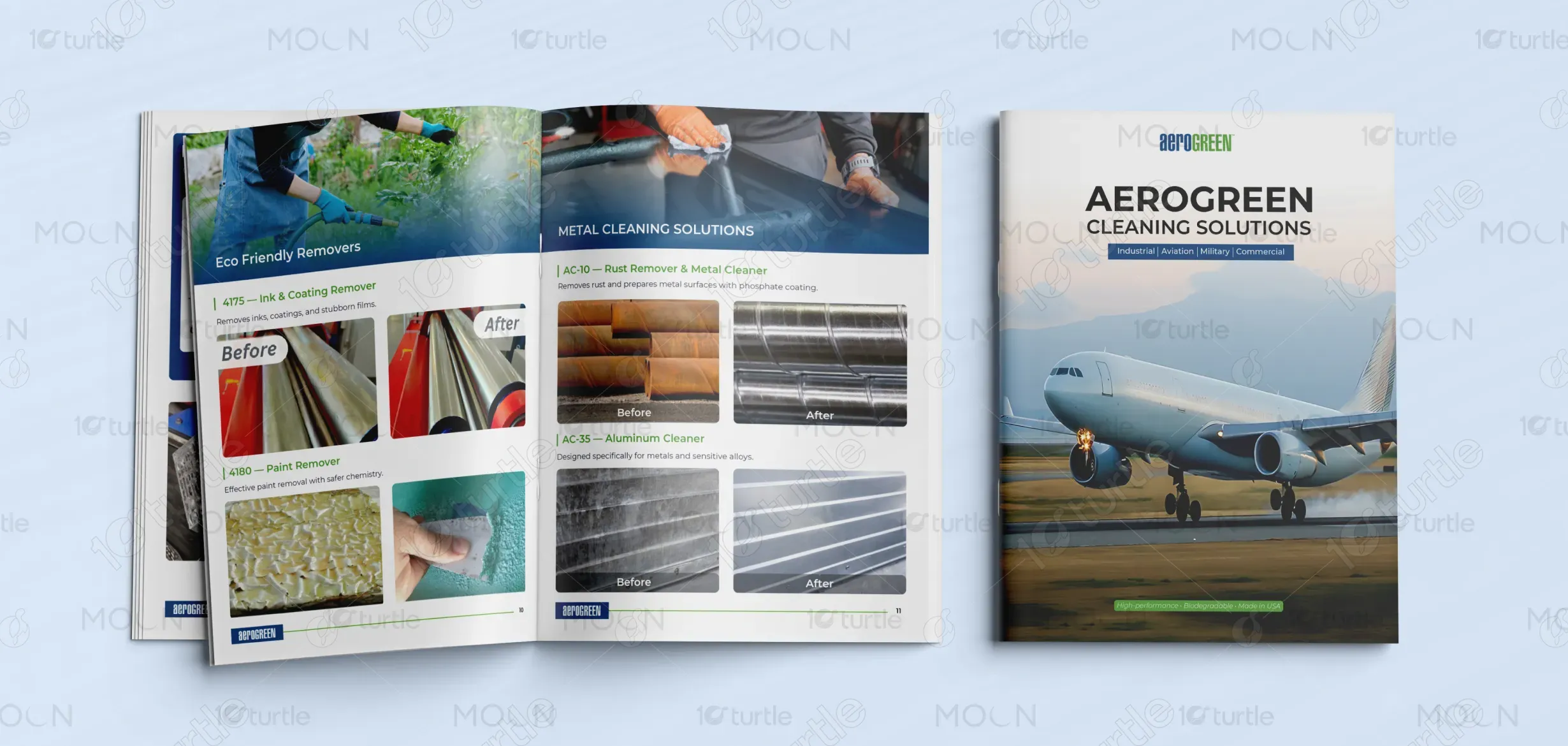
The design addresses these challenges through a clear, user-centric structure that simplifies complex information. Each section is categorized logically (Industrial, Aviation, Specialty Cleaners), supported by strong headings and visual cues. Product details are broken down into digestible formats with supporting imagery, application icons, and before–after comparisons to enhance understanding. Consistent typography and spacing improve readability, while real-world visuals reinforce credibility. The integration of sustainability messaging alongside performance claims ensures both aspects are equally emphasized, improving trust and clarity.
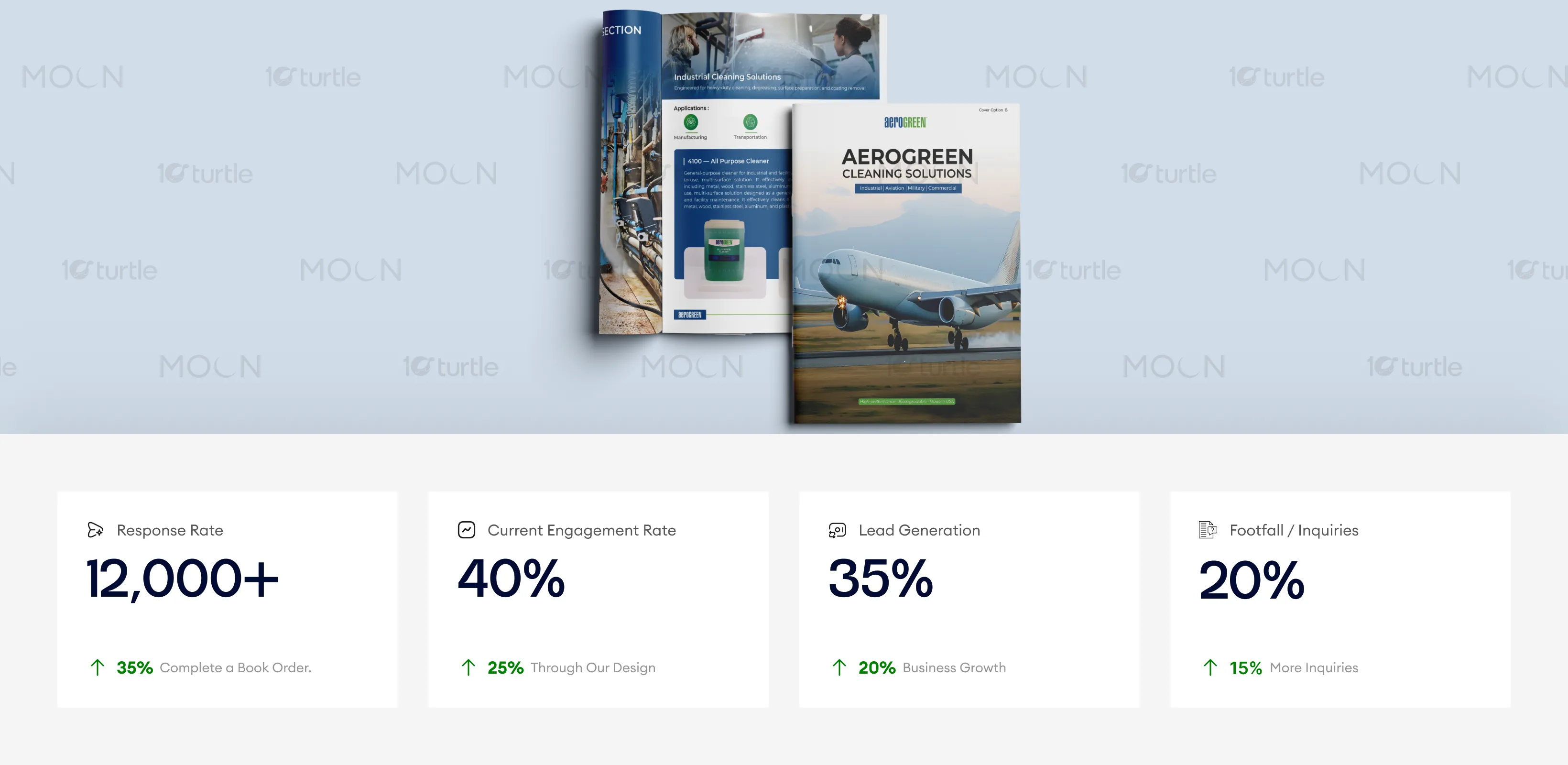
This brochure's structured, clean design is well-suited for a technical audience, emphasizing clarity and eco-friendly messaging. The strong use of visuals and typography increases user engagement and builds trust, encouraging higher interaction with the product offerings. With a clear emphasis on sustainability and performance, metrics like lead generation and footfall via QR tracking could see significant growth if paired with strategic promotion and distribution.
The design positions Aerogreen as a forward-thinking industrial brand that bridges performance and environmental responsibility. It establishes a scalable visual system that can extend across future catalogs, digital platforms, and marketing materials. The long-term vision is to build a recognizable, trusted identity that consistently communicates reliability, safety, and innovation. By maintaining clarity and consistency, the design supports brand growth while adapting to evolving product lines and industry demands.

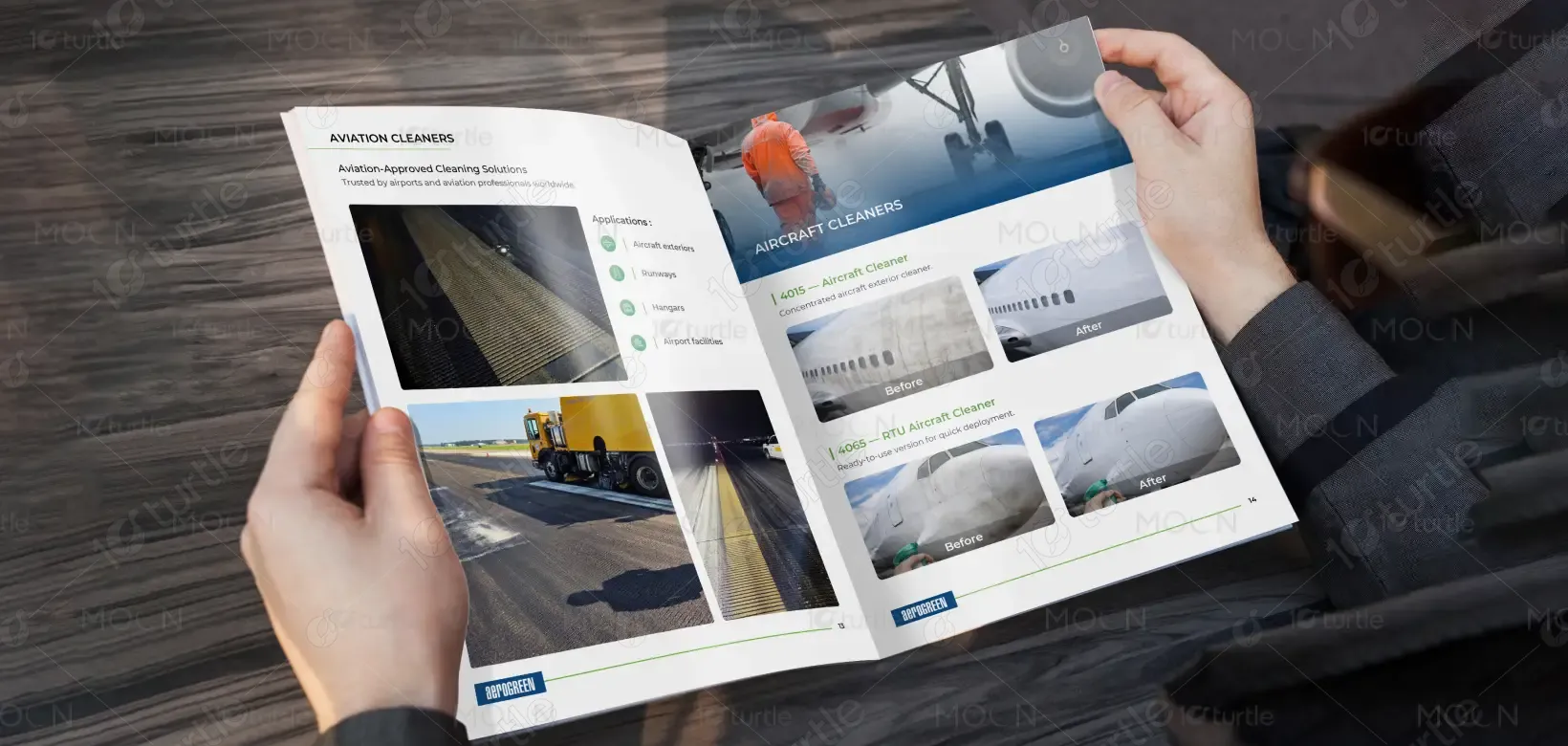
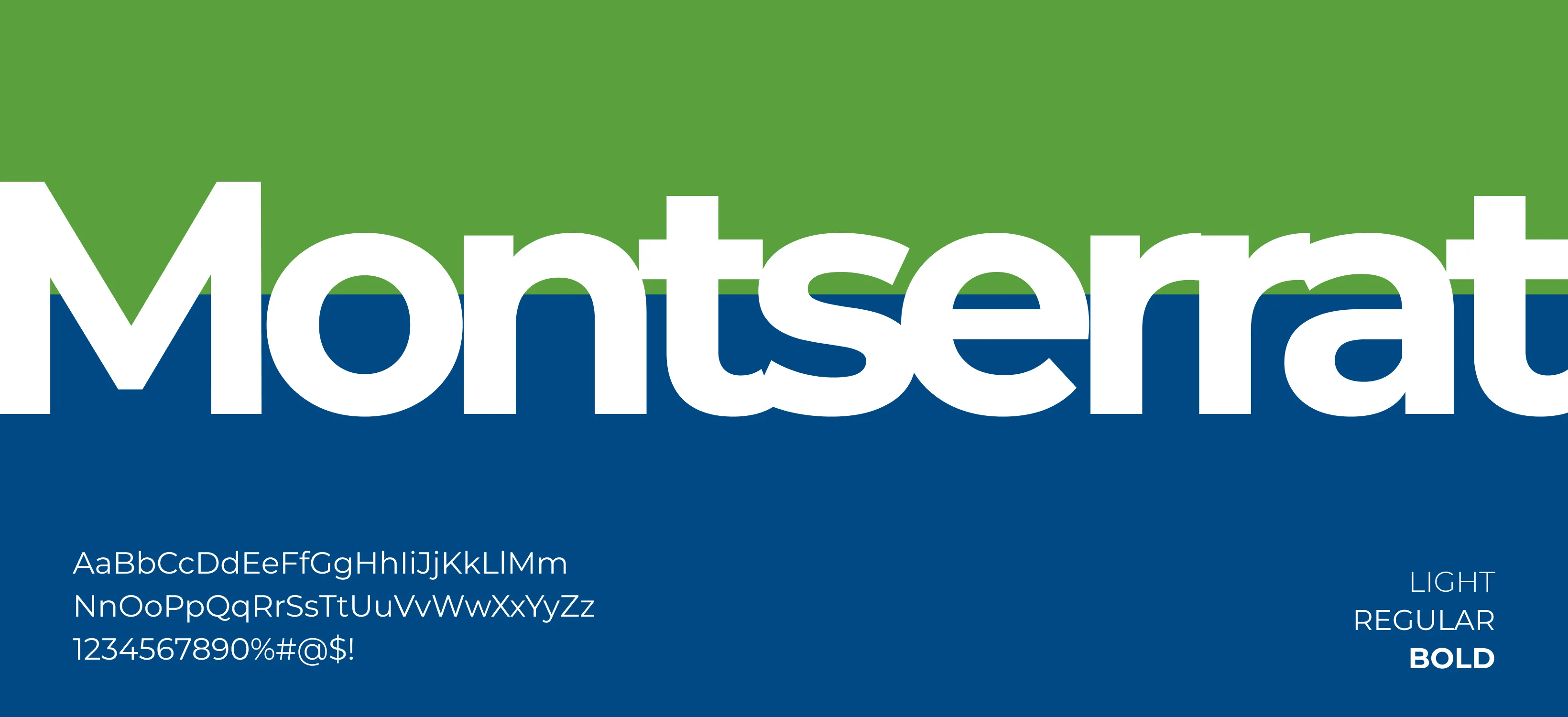
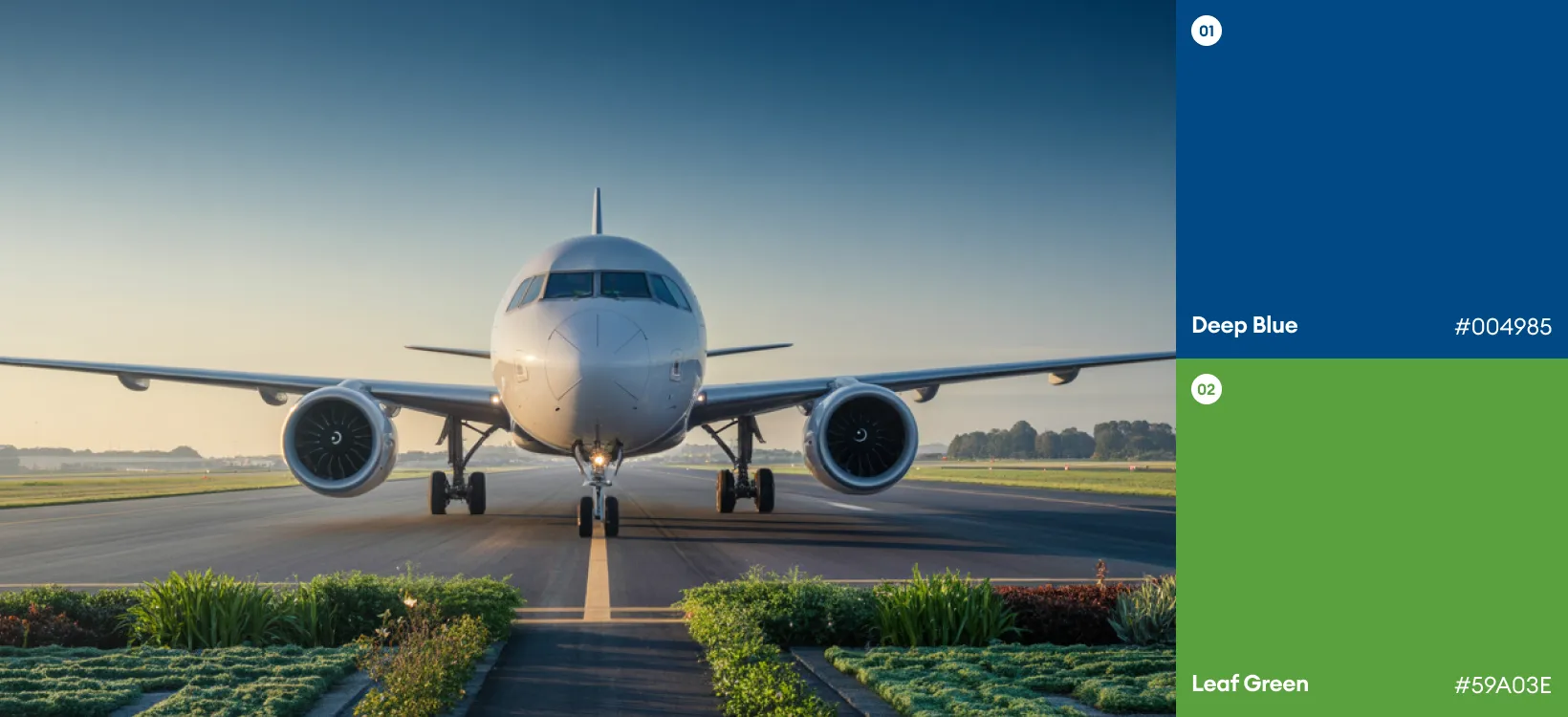
The color palette is centered around deep blue and green tones, symbolizing industrial strength, trust, and environmental responsibility. Blue communicates reliability and technical precision, while green reinforces eco-friendly positioning and sustainability. Neutral whites and grays are used to maintain clarity and reduce visual noise, ensuring content remains legible and professional. Supporting visual elements such as icons, product imagery, and before–after comparisons enhance usability and reinforce real-world effectiveness. The overall visual language is clean, modern, and purpose-driven, aligning with both industrial and environmentally conscious audiences.