Home / Blog / How Long Does Web Design Take? Timelines & Expectations | 10turtle
Planning a new website and wondering how long the design process takes? This blog explains typical web design timelines, key project phases, and the factors that influence delivery speed. From discovery and design to development, testing, and launch, you’ll get a clear understanding of what to expect at each stage. Ideal for businesses in Dubai and beyond, this guide helps you plan better, set realistic expectations, and work efficiently with professional website designers.
27 Jan, 2026
.webp)
One of the most common questions businesses ask when planning a new website is: "How long will this take?" Understanding web design timelines helps you plan launches, coordinate marketing campaigns, and set realistic expectations for your projects. Whether you are building a simple portfolio site or a complex e-commerce platform, knowing what affects project duration ensures smoother collaboration and better results.
This guide breaks down typical website design timelines, the key phases involved, factors that influence speed, and how to work effectively with website designers to keep your project on track in Dubai's fast-paced business environment.
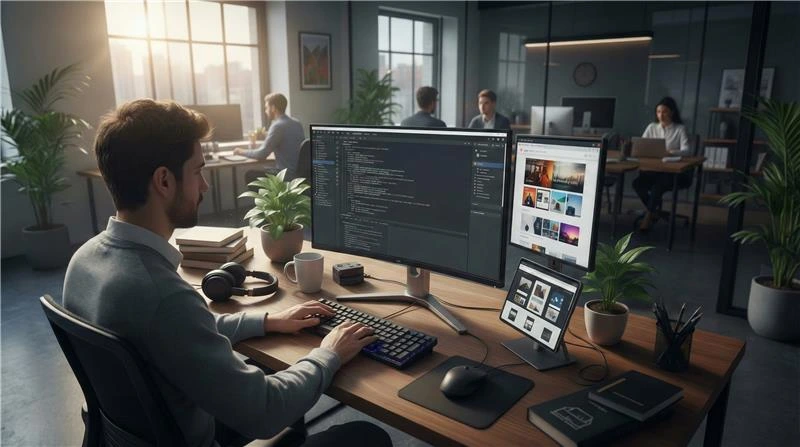
Website design timelines vary significantly based on multiple factors. The complexity of your project, the level of customization required, and the scope of features all play crucial roles. A basic informational website might take a few weeks, while a comprehensive platform with advanced functionality could require several months.
When you partner with a professional website design company in Dubai, timeline planning begins with understanding your specific needs. An experienced website design & development services provider assesses your requirements, resources, and goals before proposing a realistic schedule that balances speed with quality.
In Dubai's competitive market, businesses often need websites launched quickly. However, rushing through essential phases can compromise quality and functionality. The key is finding the right balance between efficiency and excellence.
Understanding each phase helps you know what to expect throughout the design process and where time is typically invested.
.webp)
This initial phase typically takes one to two weeks. During discovery, website designers gather requirements, research your industry and competitors, define target audiences, and establish project scope. This phase also includes wireframing and prototyping to map out site structure and user flows.
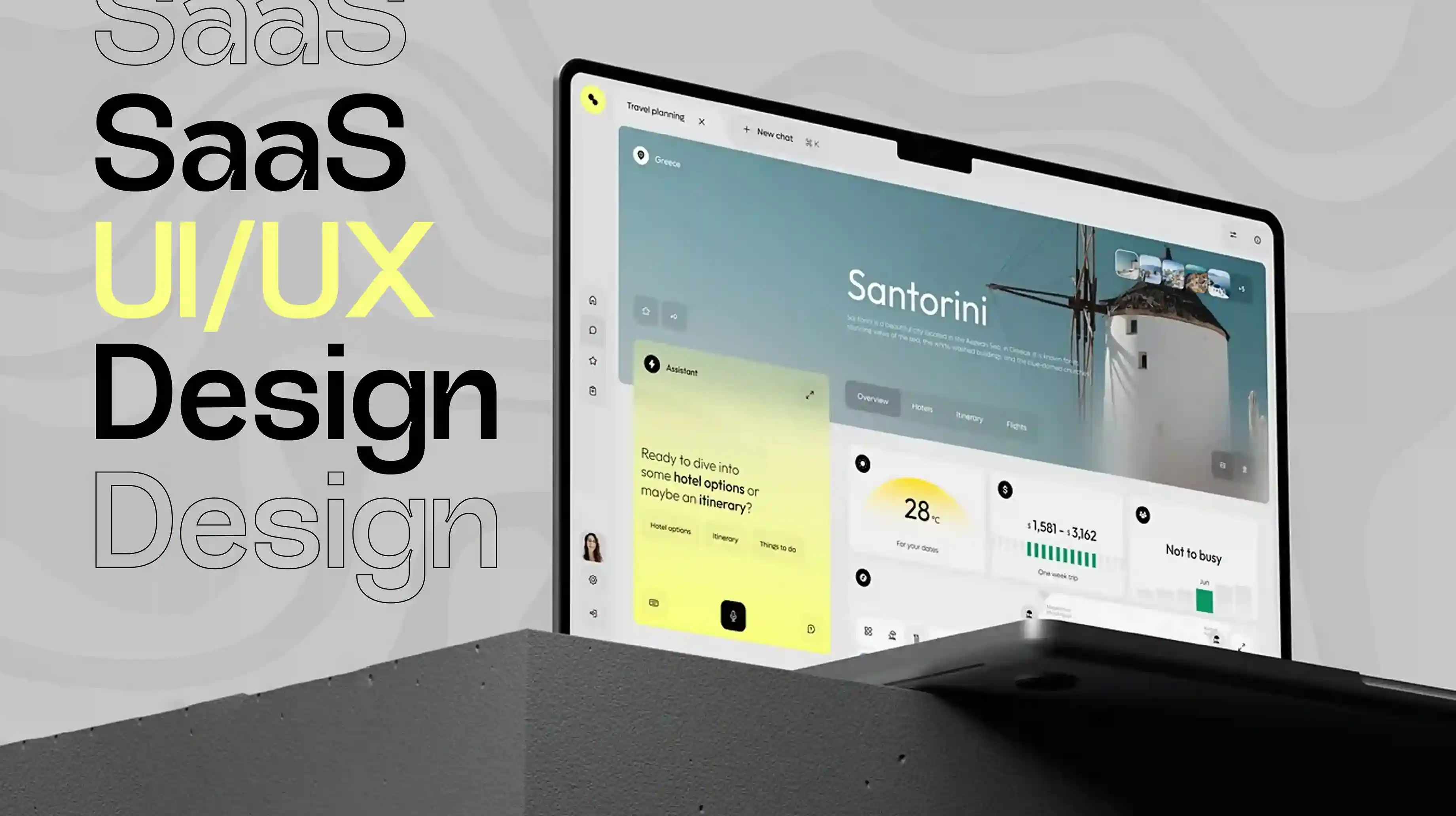
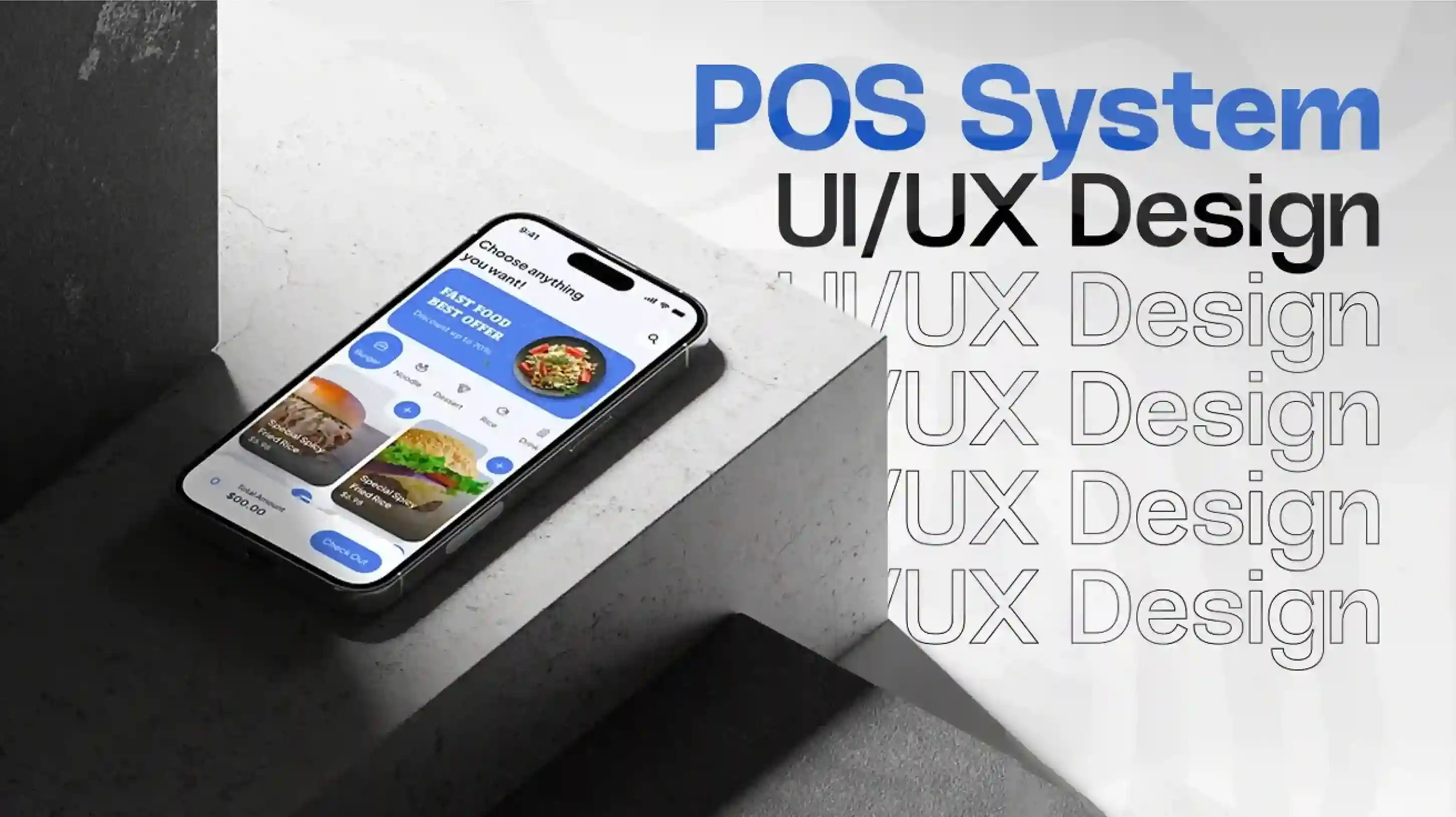
For specialized projects like SaaS platforms, CRM systems, ERP solutions, or POS systems, this phase requires deeper analysis to understand complex workflows and user needs.
The design phase usually spans two to four weeks, depending on complexity. This is where visual concepts come to life. Designers create mockups, select color schemes, choose typography, develop custom icons, and craft web banners.
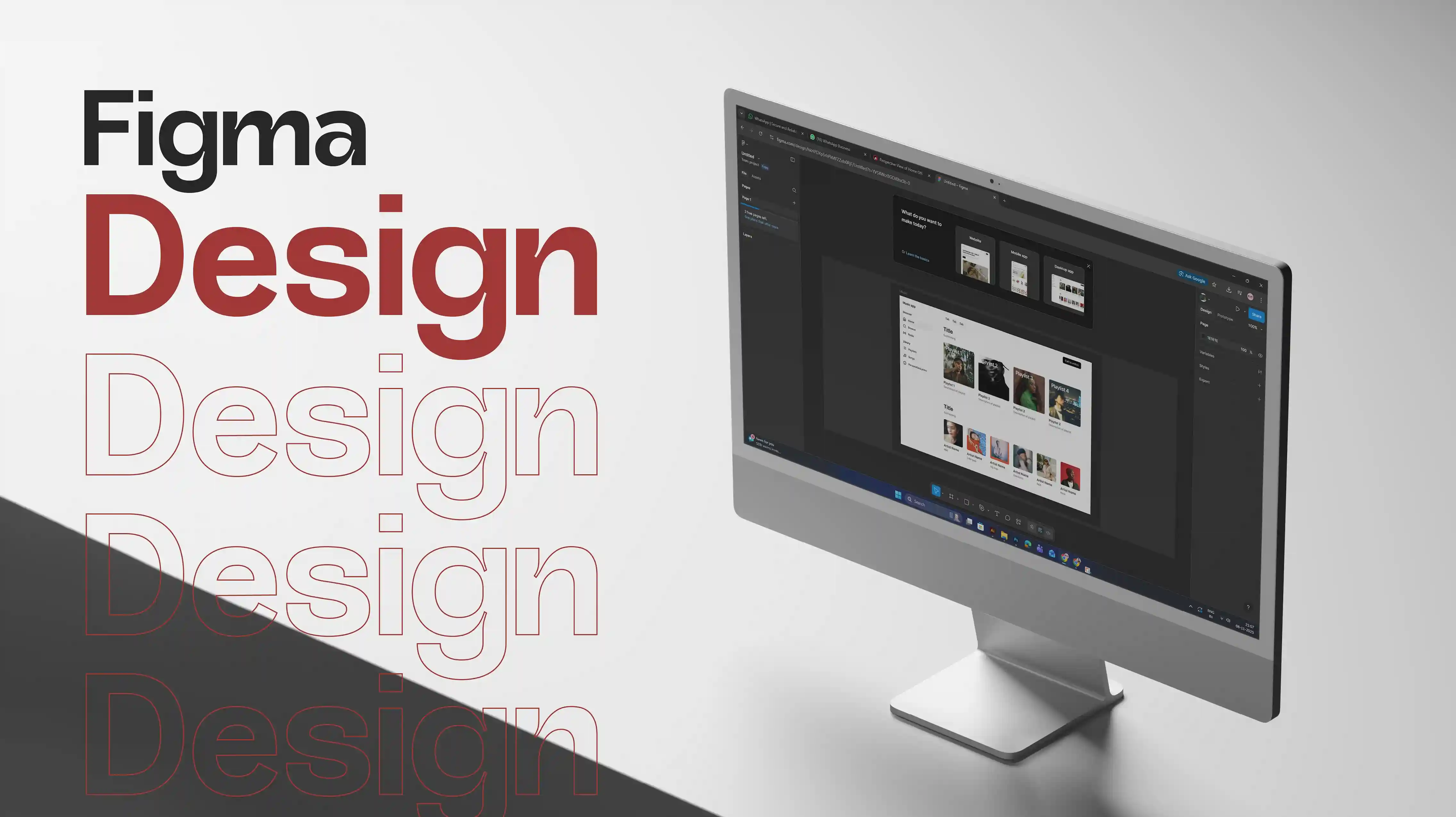
Many agencies use tools like Figma for design, which facilitates collaboration and faster iterations. For businesses seeking custom website design, this phase involves more rounds of revisions to ensure every element perfectly reflects your brand identity.
A professional ecommerce website design company pays special attention to user experience during this phase, ensuring intuitive navigation, clear calls-to-action, and conversion-optimized layouts that drive business results.
Development is typically the longest phase, ranging from three to eight weeks. This is where designs become functional websites. Developers code the frontend interface, build backend functionality, integrate databases and APIs, implement content management systems, and ensure mobile responsiveness.
Projects requiring a complete website design with advanced features take longer during development. Specialized projects like game design, admin dashboards, or comprehensive UI/UX design require additional development time for complex interactions and animations.
An experienced website design & development services team works efficiently while maintaining code quality and performance standards throughout this critical phase.
This phase typically takes one to two weeks. Content is added to the site, images are optimized, SEO elements are implemented, and rigorous testing begins. Testing includes functionality checks, cross-browser compatibility, mobile responsiveness, page speed optimization, and security verification.
For e-commerce sites, this phase also involves testing shopping carts, payment gateways, inventory systems, and checkout processes to ensure seamless customer experiences.
Final launch preparations and deployment usually take a few days to one week. This includes final client approval, domain and hosting setup, DNS configuration, site migration, and go-live monitoring. Even after launch, an ecommerce website design agency typically provides post-launch support to address any immediate issues and monitor site performance.
Several variables can extend or shorten your website design timeline. Project complexity is the most significant factor—a simple portfolio or personal website takes far less time than a multi-functional platform with custom integrations.
Client responsiveness dramatically impacts timelines. Delays in providing feedback, content, images, or approvals can extend projects by weeks. The most efficient projects involve clients who respond promptly and provide clear, consolidated feedback.
Design revisions also affect duration. While some revisions are normal, excessive back-and-forth changes can significantly delay completion. Working with experienced website designers who understand your vision from the start minimizes revision rounds.
Third-party integrations like payment processors, CRM systems, shipping APIs, and marketing tools require additional development and testing time. Custom features and functionality always add to timelines compared to standard implementations.
While maintaining quality is paramount, there are strategies to optimize timelines. Prepare all content—text, images, videos, and brand assets—before the project begins. Have clear goals and requirements documented upfront to avoid scope creep and mid-project changes.
Choose a responsive website design & development services provider with proven processes and efficient workflows. Provide consolidated feedback rather than multiple rounds of small changes. Trust your design team's expertise and avoid unnecessary revisions based on personal preferences rather than strategic considerations.
For faster launches, consider phased approaches where core features launch first with additional functionality added later. This gets your website live sooner while allowing for ongoing enhancements.
If you want a professionally designed website delivered on schedule without compromising quality, 10turtle is here to help. As a leading creative-tech company based in Dubai Media City, we specialize in efficient website design & development services that combine stunning design with reliable project management.
Our experienced team of website designers follows proven processes that keep projects on track while maintaining flexibility for your needs. Whether you need a simple portfolio site or a complex e-commerce platform, our ecommerce website design company delivers results that exceed expectations within agreed timelines.
We understand Dubai businesses need speed without sacrificing quality. Our transparent communication, realistic scheduling, and efficient workflows ensure your website launches when you need it to.
Contact us today and let 10turtle bring your digital vision to life with professional web design that meets deadlines and drives business growth.
Browse
Resources





-1756102139478.webp)