Home / Blog / Headless eCommerce vs Traditional eCommerce: Which Is Right for Scaling?
As online businesses grow, their eCommerce setup can either support or restrict that growth. This blog explores the real differences between headless eCommerce and traditional eCommerce architectures, focusing on scalability, flexibility, and long-term performance for growing brands.
8 Jan, 2026
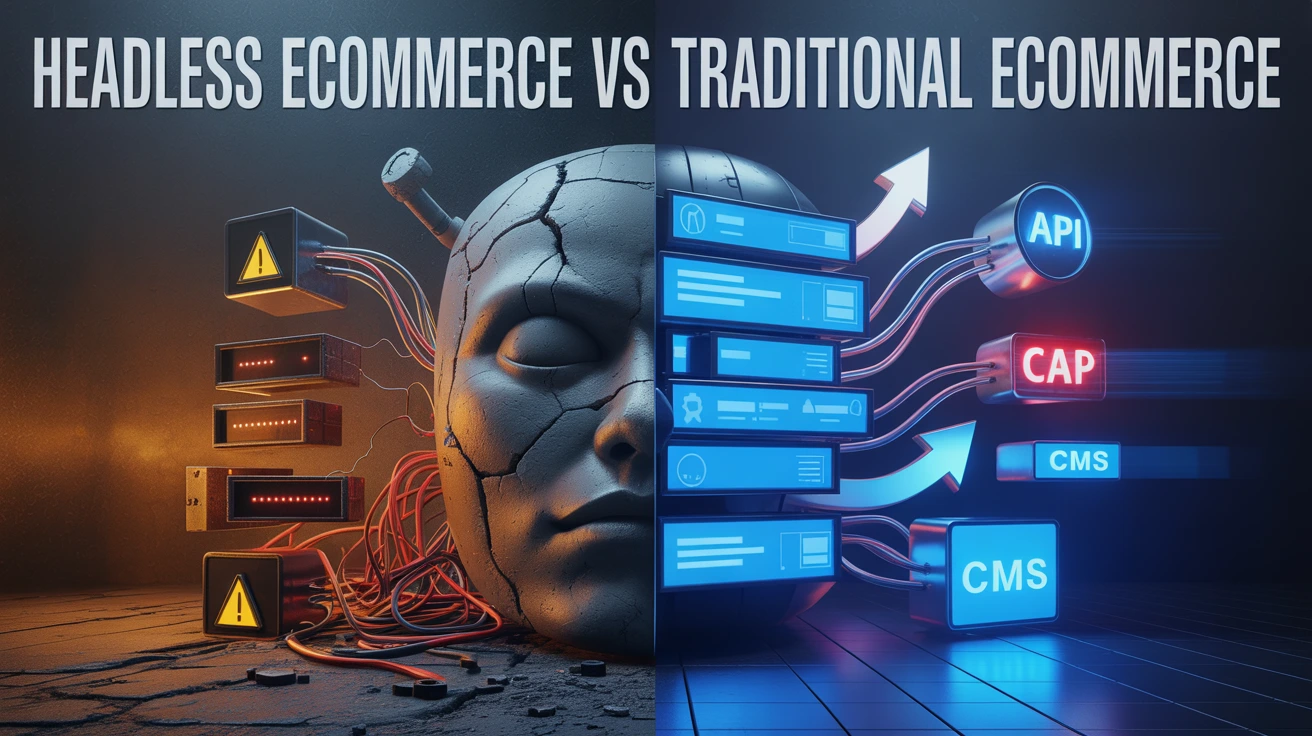
Many eCommerce brands don’t fail because of poor products or marketing.
They fail because their technology cannot keep up with growth.
At some point, every growing store reaches a crossroads:
That’s when the debate begins:
Should you stay with traditional eCommerce or move to headless?
Let’s break this decision down in a way that actually helps you scale.
In a traditional eCommerce setup, the frontend and backend are tightly connected.
What this means in practice:
This model works well when:
Headless eCommerce separates how your store looks from how it functions.
Instead of one system controlling everything:
This structure removes many growth limitations that traditional platforms face.
Traditional platforms aren’t “bad.”
They’re just not designed for complex scaling.
Common growth pain points include:
For fast-growing brands, these issues compound quickly.
Why Headless eCommerce Scales More Naturally
Headless architecture supports growth because it removes dependency.
Key advantages:
Instead of “outgrowing” your system, the system grows with you.
Scaling Isn’t Just About Traffic
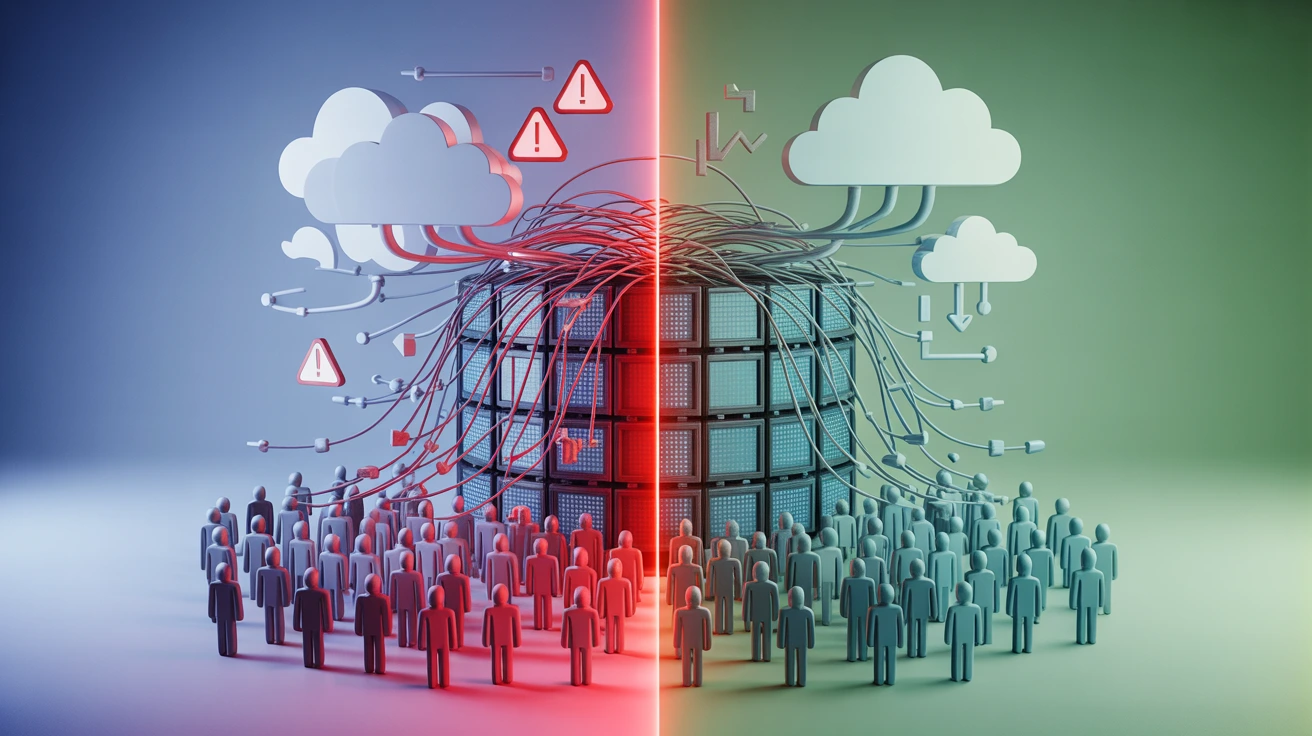
Many brands think scaling equals more visitors.
In reality, scaling includes:
Headless eCommerce supports all of this by design, not as an add-on
Which Model Fits Your Business Stage?
This is less about “modern vs old” and more about future readiness.
The Cost Myth Around Headless Commerce
A common misconception is that headless is always expensive.
In reality:
Many brands lose more money staying too long on systems that slow them down.
A-1.Yes. Headless eCommerce removes frontend limitations, allowing businesses to scale performance, features, and channels without restructuring the entire platform.
A-2. They can handle moderate growth, but performance and flexibility often degrade as traffic, customization, and integrations increase.
A-3.Typically yes. Modern frontend frameworks and API-based delivery significantly improve loading speed and user experience.
A-4. No. Many mid-sized and fast-growing brands adopt headless early to avoid costly migrations later.
A-5. When customization, performance, or omnichannel expansion becomes difficult within the existing platform.
A-6. It requires a more strategic setup, but offers greater control and stability once implemented correctly.
Browse
Resources