Home / Blog / How Does Website Design Affect Sales? Understanding the Impact on Revenue
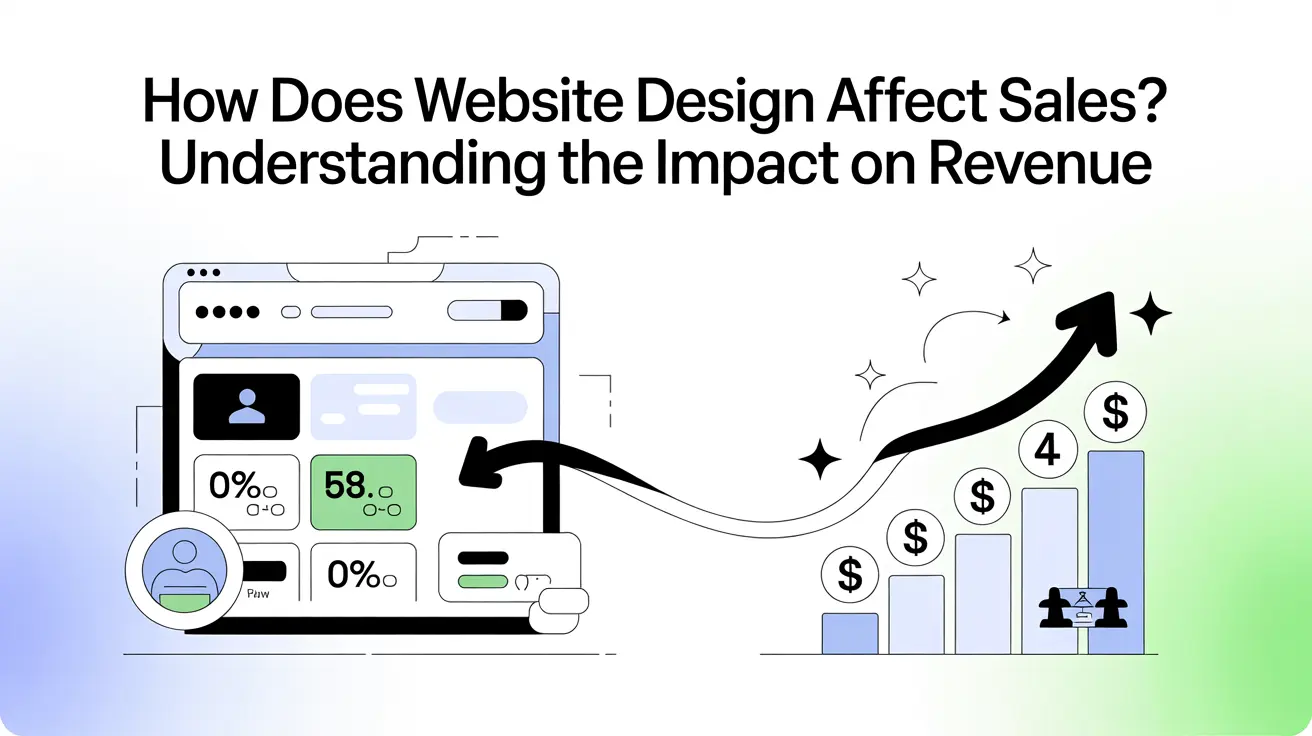
Your website is often the first real interaction a potential customer has with your business. Before a prospect reads a single word of your copy, they have already formed an opinion based on how your site looks, how fast it loads, and whether it feels trustworthy. In a market as competitive as Dubai, that first impression can be the difference between a conversion and a lost opportunity. Understanding how website design affects sales is not just a marketing curiosity; it is a business imperative.
4 Jun, 2026
Businesses across the UAE are discovering that design decisions made months or years ago are quietly costing them revenue. Partnering with an experienced website design company in Dubai can help identify and resolve those gaps before they become a long-term problem.
Research consistently shows that users form an opinion about a website within a fraction of a second. That judgement covers visual appeal, perceived credibility, and whether the brand feels relevant to their needs. A cluttered layout, mismatched colors, or outdated typography immediately triggers doubt, and doubt kills conversions.
Professional design communicates that your business is organized, capable, and worth trusting. In Dubai's luxury-conscious and internationally-minded consumer base, a polished visual identity is practically non-negotiable. The design language of your site tells the story of your brand before your content even gets the chance.
Even the most visually stunning website will struggle to convert visitors if they cannot find what they are looking for. Intuitive navigation reduces friction and keeps users moving toward a purchase or an inquiry. When menus are unclear, page hierarchies are confusing, or calls-to-action are buried, visitors leave, and your bounce rate climbs.
User experience design focuses on making the path from discovery to conversion as short and frictionless as possible. That means logical information architecture, clear headings, prominent contact options, and strategically placed calls-to-action throughout the page. When each of these elements is working in harmony, the website stops being a passive brochure and becomes an active sales tool.
Slow websites cost businesses money. Studies have shown that even a one-second delay in page load time can reduce conversions significantly. Mobile users in particular have very little patience for sluggish performance, and given that a large proportion of online browsing in the UAE happens on smartphones, speed is a commercial priority.
A professionally built website accounts for this from the ground up. Optimized images, clean code, efficient hosting configurations, and caching strategies all contribute to a faster, smoother experience. Speed improvements also benefit your search engine rankings, which means more qualified visitors arriving at your site in the first place.
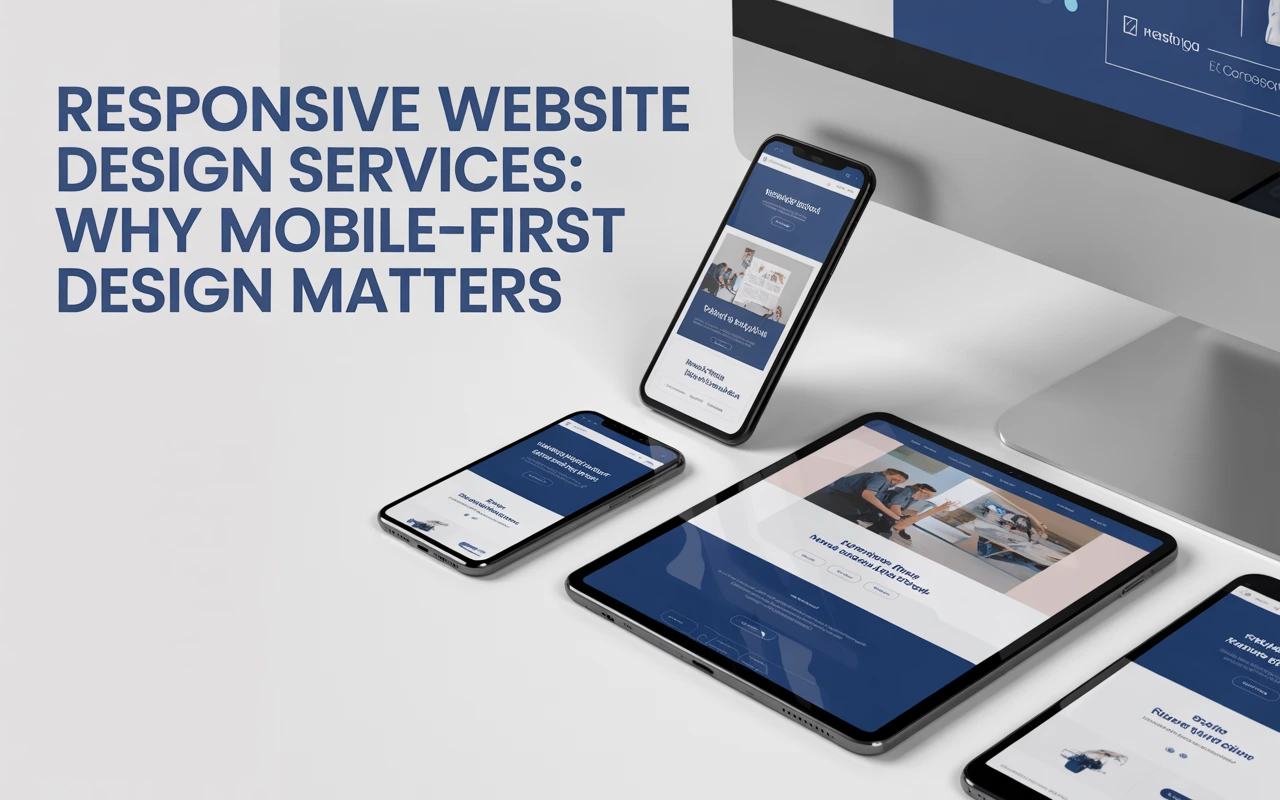
A website that looks excellent on a desktop but breaks or feels awkward on a mobile device is actively driving away a significant portion of your audience. Mobile-first design is no longer optional. It is the standard. Consumers in Dubai and across the UAE frequently browse, research, and purchase on their phones, and any friction in that experience translates directly into lost revenue.
Responsive design ensures your layout, typography, images, and interactive elements adapt seamlessly across all screen sizes. This consistency builds trust and makes it easier for users to complete their intended action, whether that is filling out a form, making a purchase, or calling your team.
Every page on your website has a goal. The job of design is to make that goal obvious and easy to achieve. Visual hierarchy, the strategic use of size, color, contrast, and spacing, guides a visitor's eye through the page in the right order. It draws attention to your key message, builds context with supporting information, and lands on a clear call-to-action.
When visual hierarchy is absent or poorly executed, visitors feel lost. They cannot tell what matters or what to do next, so they do nothing. A strong design ensures that the most important element on each page commands attention and that the user's journey through the site feels natural rather than forced.
Consumers are cautious online, particularly when making purchases or submitting personal information. Design plays a critical role in communicating credibility. Trust signals such as SSL certificates, secure payment icons, client logos, certifications, and genuine testimonials all contribute to a sense of safety.
How these elements are presented matters as much as whether they are present. A professional design integrates trust signals naturally into the page layout so they reinforce confidence at precisely the moments a customer might hesitate. When visitors feel safe, they are far more likely to complete a transaction or submit an inquiry.
.webp)
For online stores, the stakes of design are even higher. Every step of the purchase journey, from browsing a product category to completing checkout, must be optimized to reduce abandonment and maximize order value. Poor product photography, a confusing cart experience, or a lengthy checkout flow will consistently erode revenue regardless of how strong your marketing is.
Effective ecommerce website design in Dubai goes beyond aesthetics. It addresses product discovery, filtering, upsell placement, guest checkout options, mobile payment compatibility, and security signals that assure buyers their data is protected. Each of these design decisions has a measurable impact on your conversion rate and average order value.
Personalization is also becoming a core component of high-performing ecommerce design. When a store surfaces relevant recommendations, remembers preferences, and presents a clean, fast browsing experience, customers spend more time and more money. These outcomes are the direct result of a deliberate design strategy.
Sales are not always immediate. Many customers research, compare, and return before making a decision. A consistent brand experience across every page of your website builds familiarity and trust over repeated visits. Inconsistency in fonts, colors, tone, or layout creates a disjointed feeling that undermines confidence and delays or prevents conversion.
Professional design applies brand guidelines consistently from the homepage through to the thank-you page. This consistency signals to potential customers that your business is stable, organized, and reliable, qualities that matter enormously when someone is deciding whether to spend money with you.
A beautifully designed website that no one finds will not generate sales. Design and search engine optimization are more closely linked than many businesses realize. Site architecture, internal linking structure, page speed, mobile responsiveness, and content hierarchy all influence how search engines interpret and rank your pages.
When design and SEO strategy are built together from the start, you attract more qualified traffic and convert a higher proportion of that traffic into leads or customers. This dual impact makes professional design an investment with compound returns rather than a one-time cost.
10turtle is a leading creative-tech agency based in Dubai Media City, specializing in high-performance web design that is built to convert. Our team combines strategic design thinking with deep knowledge of Dubai's digital market to create websites that attract the right visitors and turn them into loyal customers.
Whether you need a full redesign, a new ecommerce platform, or targeted improvements to your existing site, our experts work closely with you to understand your goals and deliver measurable results. From UI/UX design and responsive development to SEO integration and ongoing support, 10turtle provides the full picture.
Contact us today and let 10turtle help your website work harder for your business.
Browse
Resources





.webp)